Turn on suggestions
Auto-suggest helps you quickly narrow down your search results by suggesting possible matches as you type.
- Canon Community
- Discussions & Help
- Gear Guide
- EOS R50 accessory recos for sports videography
Options
- Subscribe to RSS Feed
- Mark Topic as New
- Mark Topic as Read
- Float this Topic for Current User
- Bookmark
- Subscribe
- Mute
- Printer Friendly Page

Options
- Mark as New
- Bookmark
- Subscribe
- Mute
- Subscribe to RSS Feed
- Permalink
- Report Inappropriate Content
08-31-2025
02:42 PM
- last edited on
09-02-2025
09:44 AM
by
 Danny
Danny
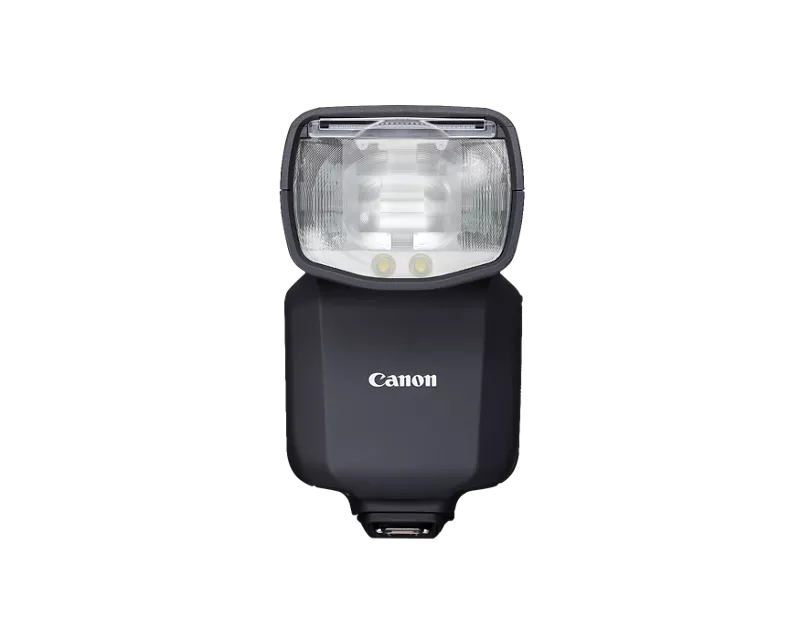
hi currently now I'm a sports photographer with car/street photography on the side. Currently I shoot photos for some high school sports teams and I've been wanting to get into video for awhile, I've been wondering if there's anything I should get. (boom mics, clip on mics, gimbals, sd cards, etc) I plan on recording for soccer, baseball and football teams and obviously any other events I might come across, thank you!!
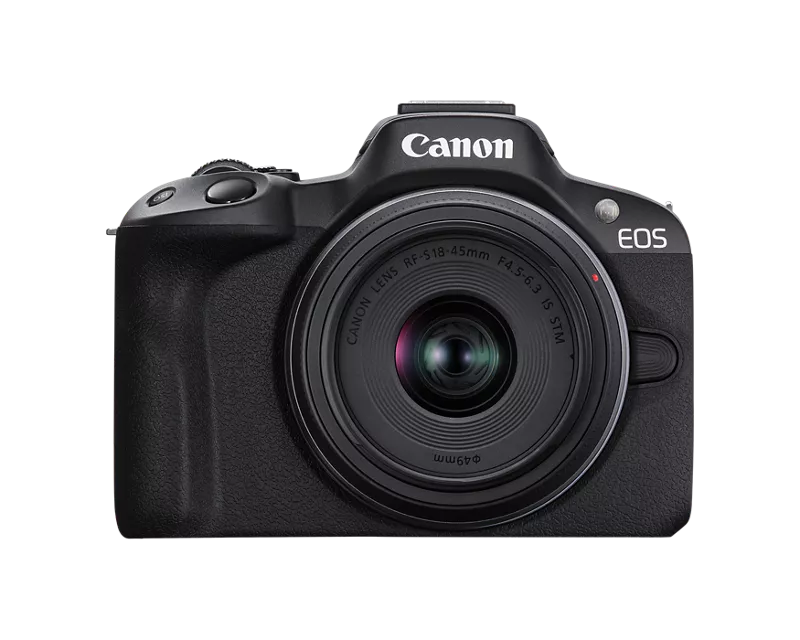
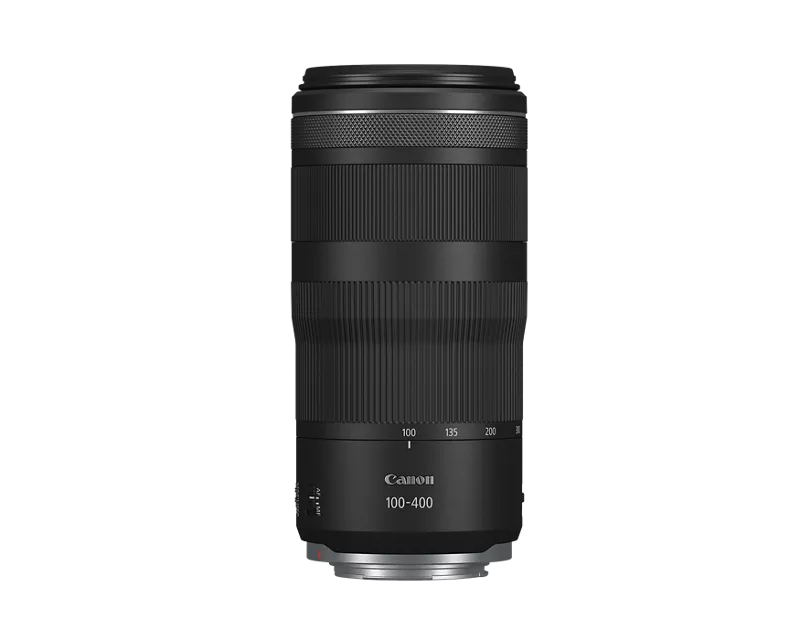
Gear: EOS R50, Sigma 18-50 F2.8, RF100-400mm F5.6, K&F Concept ND 8 & ND 64 Filter with a K&F Concept CPL.
Solved! Go to Solution.
2 ACCEPTED SOLUTIONS
Accepted Solutions


Options
- Mark as New
- Bookmark
- Subscribe
- Mute
- Subscribe to RSS Feed
- Permalink
- Report Inappropriate Content
08-31-2025 03:17 PM
I am inclined to say “all of the above”, or at least much of it, if not most. However, being a sports photographer you know that the most important aspect of getting good photos is your shooting location. Sideline somewhere.
The same applies to capturing sports videos. Except, the worst place to setup a tripod at a sporting event is on the sidelines. Does not matter if you are capturing stills or videos. No tripods along the sidelines. There will always be a moment when you need to quickly clear out the way.
I don’t know what sports you have in mind. Most sports videos are not captured at field level. Most are captured from some type of elevated position looking down on the action.
--------------------------------------------------------
"Enjoying photography since 1972."
"Enjoying photography since 1972."

Options
- Mark as New
- Bookmark
- Subscribe
- Mute
- Subscribe to RSS Feed
- Permalink
- Report Inappropriate Content
09-01-2025 01:07 PM
Field lighting is pretty "funky" at even some HS fields with overall good illumination. The end zone and the sideline edges near the end zones are often the worst spots. The field I was at Friday night has overall very good lighting but using my 1DX III bodies with f2.8 lenses wide open @ 1/1,000 shutter speed resulted in ISO of 2,500 to 4,000 at midfield increasing to ISO 20,000 on the sidelines in the red zone which is a lot of variance.
If you find yourself on a field where you are limited by your lens aperture and the event lighting, scout out locations where your gear performs well and focus your attention in those zones rather than wasting your time where results won't be good causing you to miss some good action in your preferred zones because of being out of position.
In high school football, if you get field access then be sure and never get in the way of officials or you will quickly lose it. I have seen some really stupid photographer moves. And I shoot with both eyes open for football, both to follow the action and avoid danger because a lot of the action is occurring ahead of the ball carrier and it isn't uncommon for blockers to crash through the sideline well ahead of the ball carrier. During the delayed pandemic football season, I had to grab a new sports reporter for a local TV station by the shoulders to jerk her out of the way or she would have been run down by a couple of 250 pound linemen; she was watching the backfield and not paying attention to what was around her. I carry heavy gear (a pair of 1DX III bodies with an EF 400 f2.8 on one and a 70-200 f2.8 on the other) but I do NOT use monopods or anything like that because I like to remain agile. Two years ago, one of the officials and I did a synchronized jump over a player who rolled deep off the sideline. It was pretty funny and the other officials were impressed at how we were perfectly in sync with our jump but it was a good reminder to always remain alert. Never fall into the stupid trap of checking your gear or reviewing imagery except during a timeout or other stoppage. Stuff happens really quickly.
Soccer can be one of the more hazardous sports for image capture. The officials will make sure that you don't get in their way on the sidelines but a lot of photographers have been nailed near the goal and it usually happens when the ball deflects off the frame around the net. The ball will instantly change direction while moving at high velocity and if you aren't paying attention you will likely find yourself on concussion protocol and your video gear in pieces. I coached my daughter when she was in youth soccer and continued to work with her through high school (she was a forward) and I spent a lot of time in goal so I was very aware of ball speed and how it can shift but a lot of people aren't and that is how they get hurt. And in high school, a lot of defenders are a little too exuberant in kicking the ball out of bounds so also be very careful on the sidelines near either end of the field. I shot a regional game where an assistant coach got knocked out by a defender sending the ball out, he was looking at his notes instead of paying attention and he was lucky he caught the shot in the side of the head instead of the face.
Attached photos are an example of lighting variance, the first is ISO 2,500 near midfield and the second is ISO 20,000 near the sideline. The final photo is ISO 51,200 which isn't uncommon if you try to capture fan images (or even player images) off the field. I can quickly toggle between two shutter speed/aperture settings with my 1DX series bodies but I rarely do when grabbing a quick photo like this because I often grab these in the few seconds before a snap.
Rodger


EOS 1DX M3, 1DX M2, 1DX, 5DS R, M6 Mark II, 1D M2, EOS 650 (film), many lenses, XF400 video
6 REPLIES 6
Options
- Mark as New
- Bookmark
- Subscribe
- Mute
- Subscribe to RSS Feed
- Permalink
- Report Inappropriate Content
08-31-2025 03:17 PM
I am inclined to say “all of the above”, or at least much of it, if not most. However, being a sports photographer you know that the most important aspect of getting good photos is your shooting location. Sideline somewhere.
The same applies to capturing sports videos. Except, the worst place to setup a tripod at a sporting event is on the sidelines. Does not matter if you are capturing stills or videos. No tripods along the sidelines. There will always be a moment when you need to quickly clear out the way.
I don’t know what sports you have in mind. Most sports videos are not captured at field level. Most are captured from some type of elevated position looking down on the action.
--------------------------------------------------------
"Enjoying photography since 1972."
"Enjoying photography since 1972."
Options
- Mark as New
- Bookmark
- Subscribe
- Mute
- Subscribe to RSS Feed
- Permalink
- Report Inappropriate Content
08-31-2025 07:30 PM
I tend to stick more to the end zones of sports game for example soccer or football, where you constantly have people running at you to get action packed photos/videos. I do see people tend to be more on the sidelines and field rather then at high elevated areas for example professional photographers who are invited to stadiums tend to stay on the field for those action packed shots.

Options
- Mark as New
- Bookmark
- Subscribe
- Mute
- Subscribe to RSS Feed
- Permalink
- Report Inappropriate Content
09-01-2025 10:27 AM
With an R50, you need to use a wide aperture lens for HS sports with typical event lighting so your wide angle f2.8 Sigma is reasonable but I suspect the 100-400 glass is going to push you into a higher than comfortable ISO range even when shooting video under a lot of field conditions. It is putting a lot of pixels on an APS-C size sensor which doesn't provide the same light gather capability of a full frame sensor.
Rodger
Options
- Mark as New
- Bookmark
- Subscribe
- Mute
- Subscribe to RSS Feed
- Permalink
- Report Inappropriate Content
09-01-2025 12:24 PM
yea, I'll be careful on that, thank you!
Options
- Mark as New
- Bookmark
- Subscribe
- Mute
- Subscribe to RSS Feed
- Permalink
- Report Inappropriate Content
09-01-2025 01:07 PM
Field lighting is pretty "funky" at even some HS fields with overall good illumination. The end zone and the sideline edges near the end zones are often the worst spots. The field I was at Friday night has overall very good lighting but using my 1DX III bodies with f2.8 lenses wide open @ 1/1,000 shutter speed resulted in ISO of 2,500 to 4,000 at midfield increasing to ISO 20,000 on the sidelines in the red zone which is a lot of variance.
If you find yourself on a field where you are limited by your lens aperture and the event lighting, scout out locations where your gear performs well and focus your attention in those zones rather than wasting your time where results won't be good causing you to miss some good action in your preferred zones because of being out of position.
In high school football, if you get field access then be sure and never get in the way of officials or you will quickly lose it. I have seen some really stupid photographer moves. And I shoot with both eyes open for football, both to follow the action and avoid danger because a lot of the action is occurring ahead of the ball carrier and it isn't uncommon for blockers to crash through the sideline well ahead of the ball carrier. During the delayed pandemic football season, I had to grab a new sports reporter for a local TV station by the shoulders to jerk her out of the way or she would have been run down by a couple of 250 pound linemen; she was watching the backfield and not paying attention to what was around her. I carry heavy gear (a pair of 1DX III bodies with an EF 400 f2.8 on one and a 70-200 f2.8 on the other) but I do NOT use monopods or anything like that because I like to remain agile. Two years ago, one of the officials and I did a synchronized jump over a player who rolled deep off the sideline. It was pretty funny and the other officials were impressed at how we were perfectly in sync with our jump but it was a good reminder to always remain alert. Never fall into the stupid trap of checking your gear or reviewing imagery except during a timeout or other stoppage. Stuff happens really quickly.
Soccer can be one of the more hazardous sports for image capture. The officials will make sure that you don't get in their way on the sidelines but a lot of photographers have been nailed near the goal and it usually happens when the ball deflects off the frame around the net. The ball will instantly change direction while moving at high velocity and if you aren't paying attention you will likely find yourself on concussion protocol and your video gear in pieces. I coached my daughter when she was in youth soccer and continued to work with her through high school (she was a forward) and I spent a lot of time in goal so I was very aware of ball speed and how it can shift but a lot of people aren't and that is how they get hurt. And in high school, a lot of defenders are a little too exuberant in kicking the ball out of bounds so also be very careful on the sidelines near either end of the field. I shot a regional game where an assistant coach got knocked out by a defender sending the ball out, he was looking at his notes instead of paying attention and he was lucky he caught the shot in the side of the head instead of the face.
Attached photos are an example of lighting variance, the first is ISO 2,500 near midfield and the second is ISO 20,000 near the sideline. The final photo is ISO 51,200 which isn't uncommon if you try to capture fan images (or even player images) off the field. I can quickly toggle between two shutter speed/aperture settings with my 1DX series bodies but I rarely do when grabbing a quick photo like this because I often grab these in the few seconds before a snap.
Rodger
EOS 1DX M3, 1DX M2, 1DX, 5DS R, M6 Mark II, 1D M2, EOS 650 (film), many lenses, XF400 video
Options
- Mark as New
- Bookmark
- Subscribe
- Mute
- Subscribe to RSS Feed
- Permalink
- Report Inappropriate Content
09-01-2025 01:58 PM
I'll take this into account! Thanks!!

Announcements
07/22/2026: New firmware updates are available.
EOS R6 Mark III - Version 1.1.0
05/13/2026: New firmware updates are available.
EOS R5 Mark II - Version 1.3.0
EOS R6 Mark II - Version 1.7.0
04/28/2026: Service Notice: Caution Concerning use of Lithium Batteries
03/17/2026: New firmware updates are available.
SELPHY CP1500 - Version 1.0.7.0
02/23/2026: New firmware update is available for EOS C50- Version 1.0.3.1
01/23/2026: New firmware update is available for RF 24-105mm F4 IS USM- Version 2.0.7
01/20/2026: New firmware updates are available.
10/21/2025: Service Notice: To Users of the Compact Digital Camera PowerShot V1
10/15/2025: New firmware updates are available.
Speedlite EL-5 - Version 1.2.0
Speedlite EL-1 - Version 1.1.0
Speedlite Transmitter ST-E10 - Version 1.2.0
07/28/2025: Notice of Free Repair Service for the Mirrorless Camera EOS R50 (Black)
05/21/2025: New firmware update available for EOS C500 Mark II - Version 1.1.5.1
Related Content

Ⓒ 2026
Canon U.S.A Inc. All Rights Reserved. Reproduction in whole or part without permission is prohibited.
